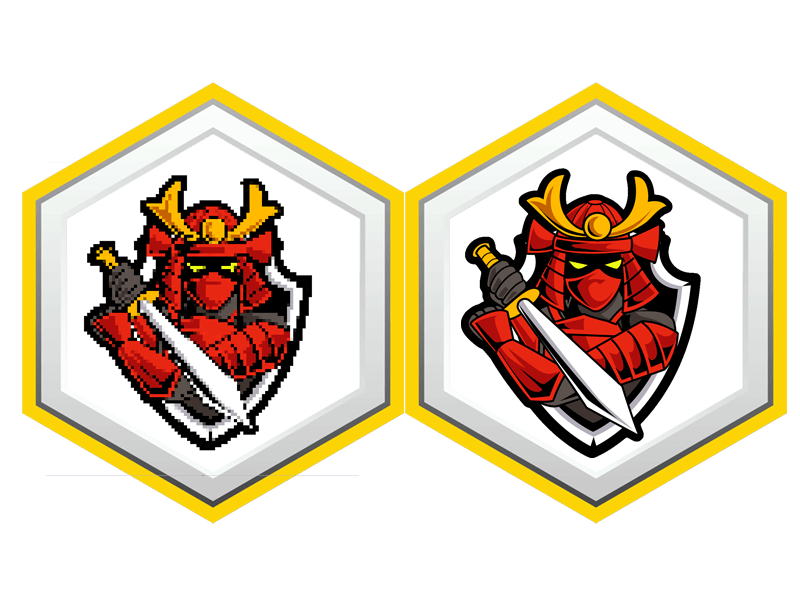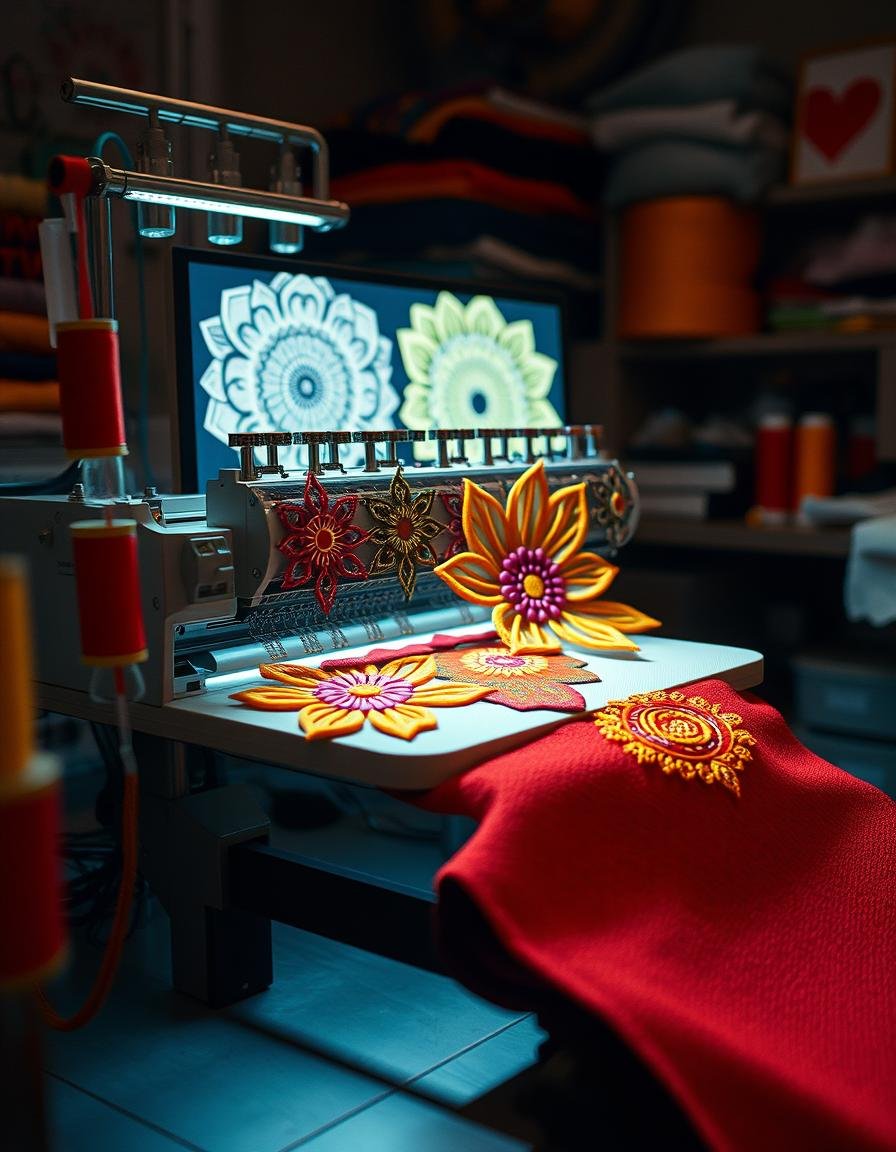
Did you know that incorporating advanced techniques in 3D puff digitizing can increase the visual appeal of your designs by up to 70%? By moving beyond the basics, you can explore innovative methods like layering and custom textures that truly set your work apart. As you consider how to optimize your materials and stitch techniques, the question arises: what unique effects can you create that capture both depth and sophistication? Let’s explore the possibilities that await your embroidery artistry.
Understanding 3D Puff Basics
To grasp the essence of 3D puff digitizing, you need to comprehend how this technique transforms flat designs into vibrant, textured embroidery.
This process involves adding foam under the embroidery stitches, creating a raised effect that catches the eye.
You start by digitizing your design, ensuring it includes specific areas where the foam will sit.
The key is in the stitch density and type; too dense, and you’ll lose the puff effect, too sparse, and it won’t hold.
You’ll also need to take into account the stitching order to avoid flattening the foam.
Mastering these fundamentals allows you to create standout pieces that elevate your projects, providing depth and dimension that flat embroidery simply can’t achieve.
Choosing the Right Materials
Selecting the right materials is key to enhancing the puff effect and ensuring your embroidery stands out. When you choose wisely, you’ll achieve a vibrant, textured look that captures attention.
Here are some essential materials to evaluate:
-
High-density foam: Provides the best support for puff effects.
-
Quality embroidery thread: Choose vibrant colors that contrast well with the base fabric.
-
Stabilizers: Use appropriate stabilizers to maintain shape during stitching.
-
Fabric type: Opt for fabrics like cotton or polyester that hold the puff well.
-
Adhesive spray: Helps keep foam securely in place during the process.
Advanced Stitch Techniques
When you’re working with advanced stitch techniques, understanding layering can really elevate your designs.
You’ll also want to explore specialty thread options that can add depth and character to your projects.
Plus, experimenting with unique texture applications will set your work apart and make it truly stand out.
Layering Techniques Explained
Layering techniques in 3D puff digitizing enhance the visual impact and texture of your designs, making them stand out in any application. By effectively utilizing layers, you can create depth and dimension that captivates your audience.
Here are key aspects to reflect on when layering:
-
Base Layer: Start with a solid foundation for stability.
-
Puff Layer: Add puff embroidery for that eye-catching elevation.
-
Detail Layer: Incorporate fine stitching to highlight intricate elements.
-
Color Layering: Use contrasting colors to create visual interest.
-
Finishing Layer: Seal everything with a protective stitch to enhance durability.
Mastering these layering techniques will elevate your digitizing skills and result in stunning, professional-quality designs.
Specialty Thread Options
Exploring specialty thread options can greatly enhance the texture and visual appeal of your 3D puff designs. By experimenting with metallic, neon, or variegated threads, you can add depth and dimension that standard threads simply can’t achieve.
Metallic threads catch the light beautifully, creating a striking effect, while neon threads bring a vibrant pop that stands out. Variegated threads, with their color shifts, can create unique patterns and visual interest throughout your design.
When selecting threads, consider their weight and sheen, as these factors will influence the final look. Additionally, make sure your digitizing settings are adjusted to accommodate the unique properties of specialty threads, ensuring smooth stitching and minimizing breakage.
Embrace these options for exceptional results!
Unique Texture Applications
Unique stitch techniques can transform your 3D puff designs, adding an array of textures that elevate their overall appeal. By experimenting with various advanced stitching methods, you can create eye-catching effects that set your work apart.
Consider incorporating the following techniques:
-
Satin stitches for a smooth, glossy finish.
-
Tack down stitches to secure puff elements and enhance dimension.
-
Fill stitches for additional texture and depth.
-
Outline stitches to define edges and create contrast.
-
Crosshatch patterns for a unique, woven appearance.
These techniques not only enhance the visual interest of your designs but also allow you to express your creativity.
Layering for Depth
When you’re working on layering for depth in 3D puff digitizing, choosing the right fabrics is essential.
You’ll want to explore various layering techniques to achieve stunning visual effects.
Let’s break down how each element contributes to the overall impact of your design.
Choosing Appropriate Fabrics
Selecting the right fabrics can greatly enhance the depth and texture of your 3D puff designs. The choice of material impacts not just the look but also the feel of your finished product.
Here are some fabrics you should consider:
-
Cotton: Offers breathability and a soft texture.
-
Polyester: Provides durability and vibrant color retention.
-
Twill: Adds a nice weight, creating a structured appearance.
-
Fleece: Contributes a plush feel, perfect for a cozy look.
-
Canvas: Works well for a sturdy, rugged aesthetic.
Experimenting with these options will help you achieve the desired effect in your designs, allowing you to create pieces that stand out and capture attention.
Don’t hesitate to mix and match to find the perfect combination!
Layering Techniques Explained
Layering different materials not only adds dimension to your 3D puff designs but also enhances visual interest and texture.
To achieve this, start with a solid base layer that provides stability, then carefully add contrasting materials on top.
Experiment with varying thicknesses; thicker layers can create bold features, while thinner layers can offer subtle depth.
Don’t forget to evaluate color combinations—layering different hues can create a stunning gradient effect.
Maintain even spacing between layers to avoid clumping, ensuring each material stands out.
You can also incorporate different finishes, like matte and glossy, to further enrich the design.
Ultimately, layering techniques allow you to create a multi-dimensional look that captivates and engages the viewer.
Visual Effects Creation
Utilizing various materials effectively can create stunning visual effects, adding depth and dimension to your 3D puff designs. By layering different textures and colors, you can enhance the overall aesthetic and make your pieces truly stand out.
Here are some tips to help you achieve that depth:
-
Choose contrasting materials to highlight specific areas.
-
Experiment with varying heights in your layers for a more dynamic look.
-
Incorporate transparent elements to create an illusion of depth.
-
Use color gradients to guide the viewer’s eye and add interest.
-
Mix matte and glossy finishes for a striking visual contrast.
Customizing Design Elements
When customizing design elements in 3D puff digitizing, you can enhance your projects by incorporating unique textures and colors that reflect your personal style. Experiment with different thread types to achieve varied finishes, such as matte or glossy looks. You can also play with layering techniques to create depth and dimension in your designs.
Here’s a quick reference table to inspire your customization process:
| Element | Description | Tips |
|---|---|---|
| Textures | Choose from smooth, ribbed, or fluffy | Mix and match for contrast |
| Colors | Select vibrant or muted tones | Use color gradients |
| Layering | Create multi-dimensional effects | Vary stitch density |
| Thread Types | Opt for polyester or rayon | Test different weights |
Get creative and make your designs stand out!
Optimizing for Different Fabrics
Customizing your design elements can be even more effective when you optimize for the specific fabrics you’re working with, as different materials can greatly affect the final appearance and durability of your 3D puff designs.
Here are some tips to take into account:
-
Cotton: Works well with a lighter puff; too much height can distort the design.
-
Polyester: Offers great stability and can handle more aggressive puffing.
-
Nylon: Requires careful attention to heat settings to avoid melting.
-
Fleece: Holds a lot of texture, allowing for more dramatic designs.
-
Wool: Use a denser stitch to guarantee the puff retains its shape.
Enhancing Texture Effects
To enhance texture effects in 3D puff digitizing, you’ll want to explore layering techniques that add depth to your designs.
You can also experiment with color variations, as they greatly impact the overall look and feel of your work.
Let’s break down how these elements can elevate your projects.
Layering Techniques Explained
Layering techniques in 3D puff digitizing can dramatically enhance texture effects, giving your designs a richer, more dynamic appearance. By strategically applying multiple layers, you can create depth and interest that captivates the viewer.
Here are some effective layering techniques to evaluate:
-
Base Layer: Start with a solid foundation for your design.
-
Textured Overlays: Add raised textures for a tactile feel.
-
Shading Layers: Introduce subtle shadows to enhance dimensionality.
-
Highlighting Details: Use lighter threads to emphasize certain areas.
-
Finishing Touches: Seal your design with a protective layer for longevity.
Experimenting with these techniques will help you achieve impressive results and take your 3D puff digitizing skills to the next level.
Color Variations Impact
Incorporating diverse color variations not only enhances the visual appeal of your 3D puff designs but also amplifies the texture effects, making them more striking and fascinating.
When you choose complementary or contrasting colors, you create depth, drawing the viewer’s eye and adding dimension to your work. Experimenting with gradient techniques can further elevate the tactile sensation, giving the illusion of movement and richness.
Additionally, incorporating different finishes—such as matte or glossy—can change how light interacts with your colors, enhancing the textural feel.
Troubleshooting Common Issues
When you encounter issues during 3D puff digitizing, identifying the root cause is essential for a smooth workflow.
Start by analyzing common problems that might arise. Here are some key areas to check:
-
Needle Size: Verify you’re using the correct needle for the puff material.
-
Tension Settings: Adjust the thread tension to avoid puckering or loose stitches.
-
Hooping: Check if the fabric is properly hooped to maintain even tension.
-
Digitizing Errors: Review your design for any flaws or miscalculations.
-
Material Compatibility: Confirm that your thread and fabric choices work well together.
Integrating Mixed Media
Integrating mixed media in 3D puff digitizing opens up exciting possibilities for texture and visual interest in your designs. You can combine various materials like fabrics, threads, and embellishments to create dynamic effects.
Start by selecting complementary materials that enhance your puff designs. For instance, using metallic threads can add a striking contrast to the soft texture of puff embroidery.
Don’t hesitate to experiment with layering different fabrics beneath your puff sections; this creates depth and intrigue. Incorporating beads or sequins can elevate your work even further, making it stand out.
Remember to adapt your digitizing techniques to accommodate these materials, ensuring the overall design remains cohesive and visually appealing. With creativity, you can truly redefine the boundaries of 3D puff digitizing.
Showcasing Your Finished Work
After you’ve completed your 3D puff digitizing projects, showcasing your finished work can captivate your audience and highlight your unique style.
Here are some effective ways to present your creations:
-
High-Quality Photography: Use natural light and clean backgrounds to make your pieces stand out.
-
Social Media Sharing: Post your work on platforms like Instagram or Pinterest to reach a wider audience.
-
Create a Portfolio: Compile your best projects into a digital or physical portfolio for potential clients or collaborators.
-
Participate in Exhibitions: Join local art shows or craft fairs to display your work in person.
-
Engage with Your Audience: Share the story behind each piece to create a deeper connection and invite feedback.
Your creativity deserves to be seen!
Conclusion
Incorporating advanced techniques in 3D puff digitizing can transform your embroidery projects into true works of art.
Think of it like sculpting with thread; just as a sculptor chisels away to reveal beauty beneath the surface, you can layer and experiment to uncover stunning designs.
Remember, every stitch adds depth—don’t shy away from mixing materials and textures.
So go ahead, push your creative boundaries, and watch your textile artistry flourish like a vibrant garden in full bloom.
Frequently Asked Questions
What Software Is Best for Designing 3D Puff Projects?
When designing 3D puff projects, you’ll find software like Adobe Illustrator and CorelDRAW most useful. They offer flexible tools for creating detailed designs, allowing you to easily manipulate shapes and textures for stunning results.
How Do I Maintain My 3D Puff Equipment?
You’d think maintaining 3D puff equipment is simple, but it’s not! Regularly clean your machine, check for wear on parts, and keep your workspace dust-free. A little care goes a long way in ensuring peak performance.
Can I Use 3D Puff on Non-Fabric Materials?
You can’t use 3D puff on non-fabric materials effectively. The technique relies on fabric’s flexibility and texture for proper adhesion and shaping. Stick to fabrics for the best results and durability in your projects.
What Are the Best Practices for Washing 3D Puff Items?
Did you know 85% of garment damage occurs during washing? To care for your 3D puff items, hand wash in cold water, use mild detergent, avoid bleach, and air dry to preserve their shape and integrity.
How Do I Market My 3D Puff Creations Effectively?
To market your 3D puff creations effectively, showcase them on social media, engage with your audience, collaborate with influencers, and offer promotions. Highlight unique designs and quality to attract potential customers and build brand loyalty